Follow us on Twitter Find us on Facebook Join us on LinkedIn Subscribe to our RSS Feed

Newsletter

Subscribe by entering your email below
 

Latest News

AWA Hodgson Medal 2013 (Undergraduate Water Prize)
More info...

The Goyder Institute has released another Technical Report
More info...

Latest Events

The 6th Lake Eyre Basin Biennial Conference, Port Augusta, South Australia, 17-19 September 2013.
More info...

Launch of Science Week in SA
More info...

Climate Change

There is a need to understand the risks, vulnerabilities and opportunities related to climate change in South Australia. To this end, it is necessary to bring together policy makers, end-users and leading researchers to develop a consistent cross-government approach to interpreting the effects of climate variability and change on water availability in the State.

The Climate Change Theme aims to deliver outcomes that will scientifically underpin government water strategies to ensure that South Australia has resilient water infrastructure, sufficient environmental water and is able to provide water security for industry and urban settlements. This will aid in the development of effective, region specific adaptation strategies that meet the needs for human supply and natural resources.

Climate Change Roadmaps

C.1 Regional Climate Change Downscaling

Objective: Accounting for climate change in water management practices in South Australia ROADMAP C1 (A3 Format) (PDF 113.35 KB)

The indicative outcomes of the Goyder Institute’s Climate Change Theme are as follows:

  • Develop an agreed set of downscaled climate projections for South Australia to support proactive responses to climate change in water resource planning and management
  • Develop tools that water and environmental managers in South Australia can use to derive the most appropriate mitigation strategies that incorporate an integrated assessment of climate change on water resources
  • Water resource management arrangements are adaptive and responsive to future climates and ongoing variability without further degrading our water ecosystems and the important natural assets and values they provide
  • Communities understand risk management and mitigation options and are resilient to climate trends and extremes

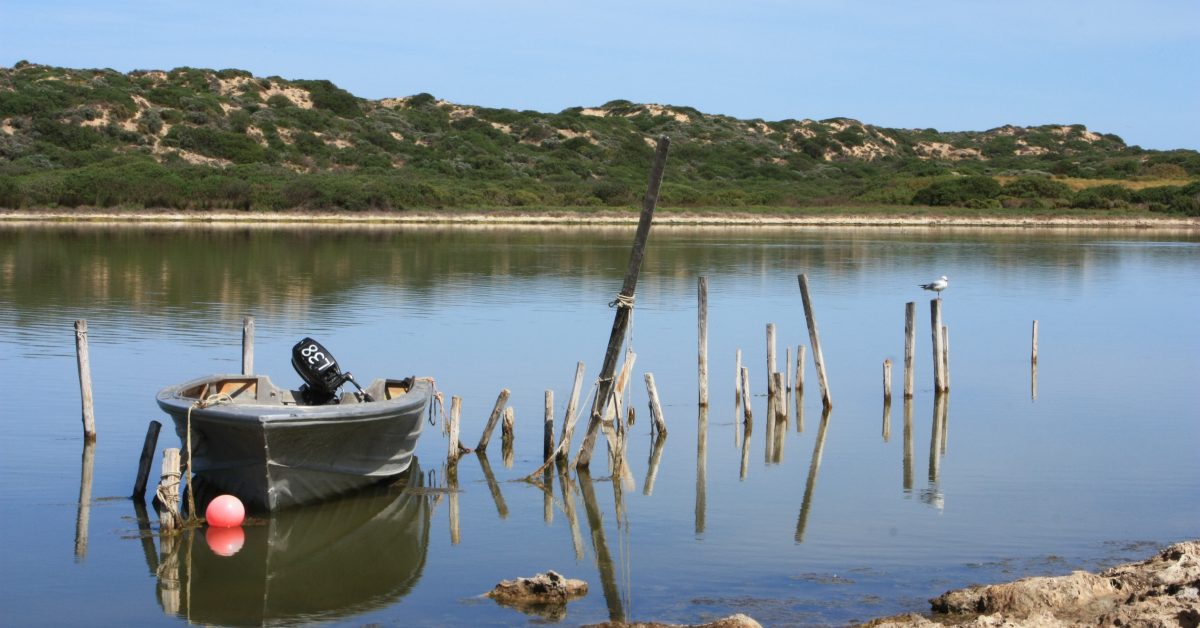
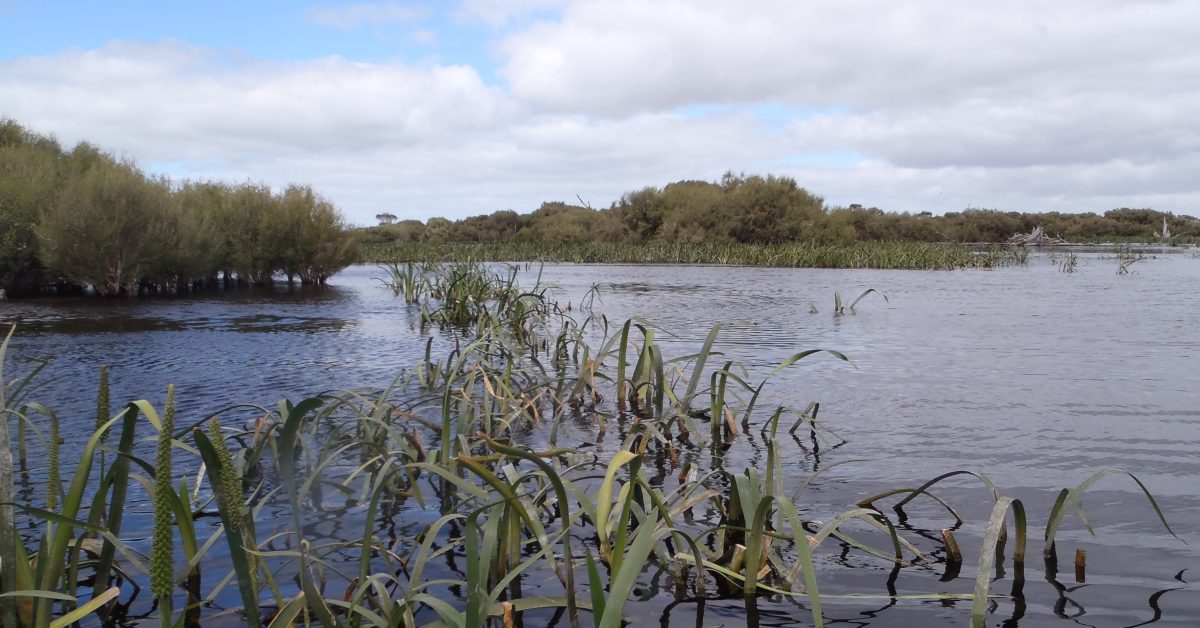
Photo: Simon Beecham (University of South Australia)