Follow us on Twitter Find us on Facebook Join us on LinkedIn Subscribe to our RSS Feed

Newsletter

Subscribe by entering your email below
 

Latest News

The Goyder Institute has released another Technical Report
More info...

New MARSUO Technical Report now available on the Goyder Institute website
More info...

Latest Events

Launch of Science Week in SA
More info...

AWA SA Branch Conference - Call for Abstracts
More info...

Murray Flood Ecology

Ecological responses to flooding in the Lower River Murray following a drought.

GOYDER PROJECT NUMBER: E.1.3
GOYDER PARTICIPANTS: CSIRO, The University of Adelaide, Flinders University
GOYDER ASSOCIATES: SARDI
PROJECT LEADER: Dr Qifeng Ye (SARDI)
GOYDER ROADMAP: E.1 River Murray
PROJECT DURATION: 1 December 2010 to 30 April 2012
BUDGET AND EXPENDITURE: Total Project Budget: $1,513,934 / Expenditure to 30 June 2011: $534,083

Challenge

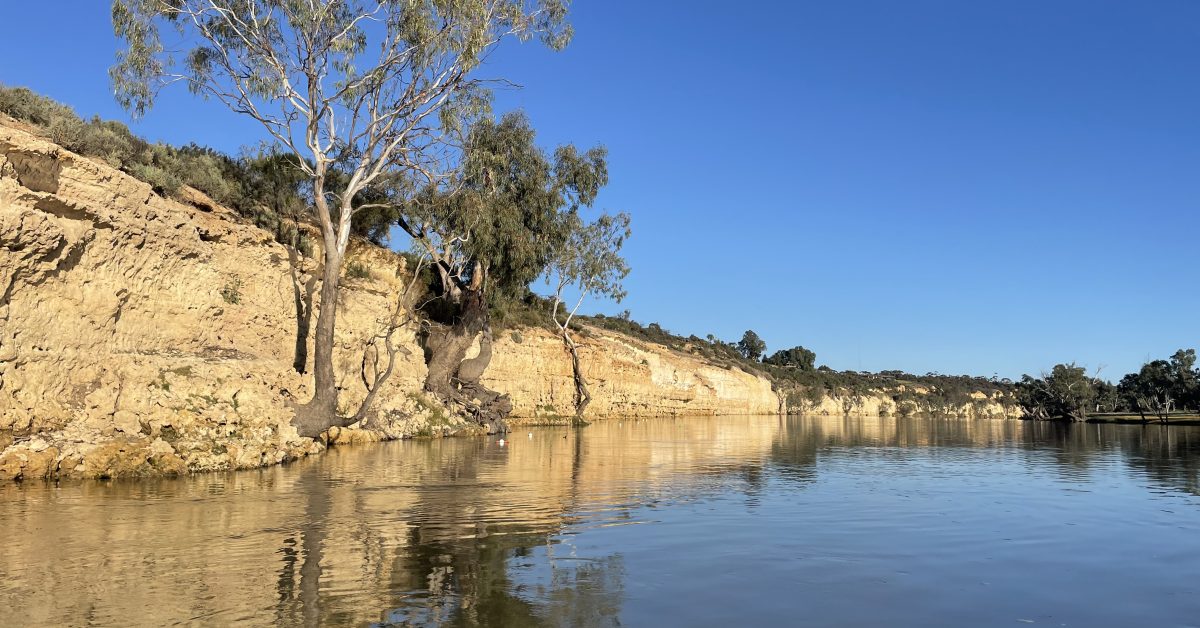
To achieve the greatest ecological benefits from available environmental water in the River Murray, it is vitally important to know how the biological systems respond to various flow scenarios (e.g. timing, volumes, duration, frequency, flow rates etc). Over the last 10 years significant research and monitoring efforts have been undertaken across the lower River Murray. Nevertheless, this has been a protracted drought period resulting in a system with reduced flow volumes, rates and water levels. The current flow represents an over-bank flood that occurred more frequently under natural conditions than it has in recent times, providing hydrological connectivity along thousands of kilometers of the River Murray and returns hydraulic complexity to the weir pools of the lower River Murray.

Solution

This project harnesses the unique opportunity to undertake time critical ecological investigations, measuring how biological systems respond and recover when water is restored to the system after a long period of drought. With this information, government departments will be able to give evidence to the community and Commonwealth Environmental Water Holder of not only the benefits, but also the need to provide environmental flows in SA, and how to maximise the ecological outcomes from available water, particularly the response to an over-bank flood in the context of the proposed Basin Plan. Hence the project aims to (i) generate important knowledge to help SA continue to adapt and thrive in a water-scarce environment and (ii) provide evidence of ecosystem outcomes from this event that can assist SA to assess the implications of the Basin Plan and make recommendations on the desired frequency of such events to meet SA’s ecosystem objectives.

Achievements

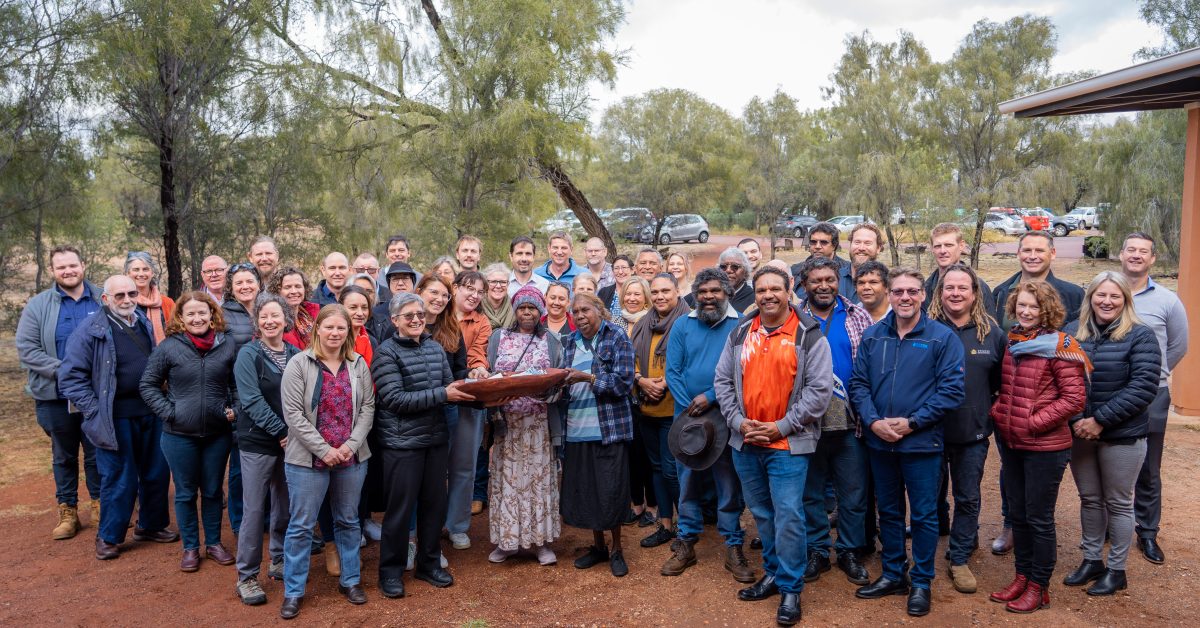
The Stakeholder Committee and Technical reference panel have been established andthe planning of fieldwork is underway for when weather and flow conditions are right to conduct the fieldwork.

Next Steps/Future Work

Additional field work will be undertaken during 2011/12.  Data analysis and reporting will occurred with a range of hypotheses being tested regarding key ecological processes and communities.  Conceptual models of ecological responses will be developed. A series of technical reports associated with project tasks (components) will be prepared by June 2012 with a synthesis report produced by August 2012.